
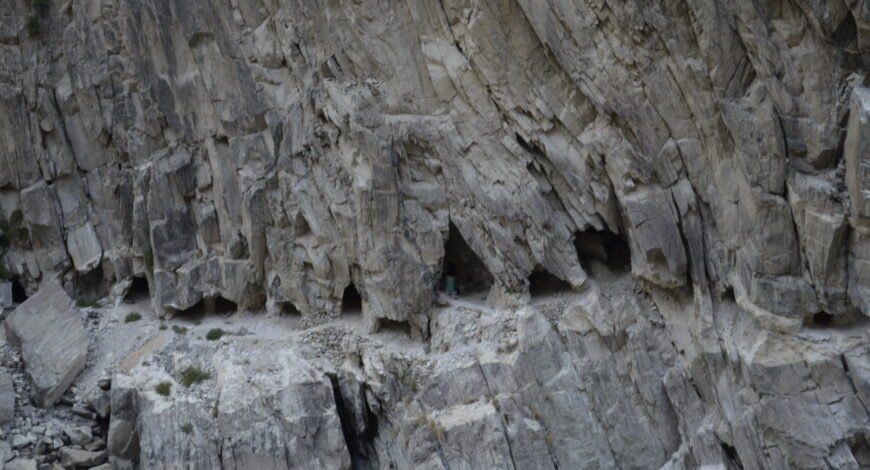
High in the Karakoram, a dark, tar-like substance oozes from cracks in the rocks during the warm months. Known locally as salajeet (and as shilajit across South Asia), it has been used in traditional medicine for centuries. Here is a clear, honest look at what it is, what the science says, and — crucially — how to use it safely.
- A mineral-rich exudate from high-mountain rocks; its main active is fulvic acid.
- Traditionally used as a tonic; modern research is early-stage.
- Purity is everything — raw, unprocessed shilajit can contain heavy metals or contaminants.
- Buy purified, lab-tested product; start with a small dose.
What is salajeet (shilajit)?
Salajeet is a sticky, resinous material formed over centuries from the slow breakdown of plant and microbial matter compressed in mountain rock. The best-known source regions are the high ranges of Gilgit-Baltistan and the wider Himalaya-Karakoram belt. Purified shilajit is the form used as a supplement.
What is in it?
Its signature compound is fulvic acid, along with humic substances and a spectrum of trace minerals. Fulvic acid is the focus of most research and is often used to judge quality.
What the research says (and doesn’t)
In traditional systems, salajeet is used as a rejuvenating tonic. Modern studies suggest fulvic acid has antioxidant activity and is being investigated for roles in cognitive and cellular health, but most evidence is preliminary and larger human trials are needed. We avoid medical claims: shilajit is a traditional food-supplement, not a treatment or cure for any disease.
How salajeet is traditionally used
Purified resin is typically used in tiny amounts — a portion about the size of a grain of rice or a small pea — dissolved in warm water or milk, once daily. Start low, take it with food, and give your body the first week to adjust.
Frequently asked questions
What is the difference between salajeet and shilajit?
They are the same substance — “salajeet” is the name used in Pakistan and “shilajit” the more common spelling elsewhere in South Asia.
How much fulvic acid should good shilajit have?
Quality extracts are often standardised to at least 50% fulvic acid. Raw resin naturally contains far less. A clear lab report is the best assurance.
Is raw shilajit safe to eat?
No. Unpurified shilajit can carry heavy metals and contaminants. Only purified, tested product should ever be consumed.
How do I take salajeet?
Dissolve a small amount (about a grain of rice to a small pea) of purified resin in warm water or milk once daily, with food. Start low and do not exceed label directions.
Related reading: For another caffeine-free Karakoram herbal tradition, see our guide to chamomile in Urdu (بابونہ) and how to brew it.
Sources & references
- Shilajit: A Natural Phytocomplex with Potential Procognitive Activity. PMC. Link
- The Risks, Benefits and Safe Use of Shilajit. Banner Health. Link
- Fulvic Acid: Benefits, Safety, Side Effects, and Dosage. Healthline. Link
Salajeet is one of several Karakoram products with a long local history. For a culinary example, read our guide to how to use juniper berries as a kitchen spice.


